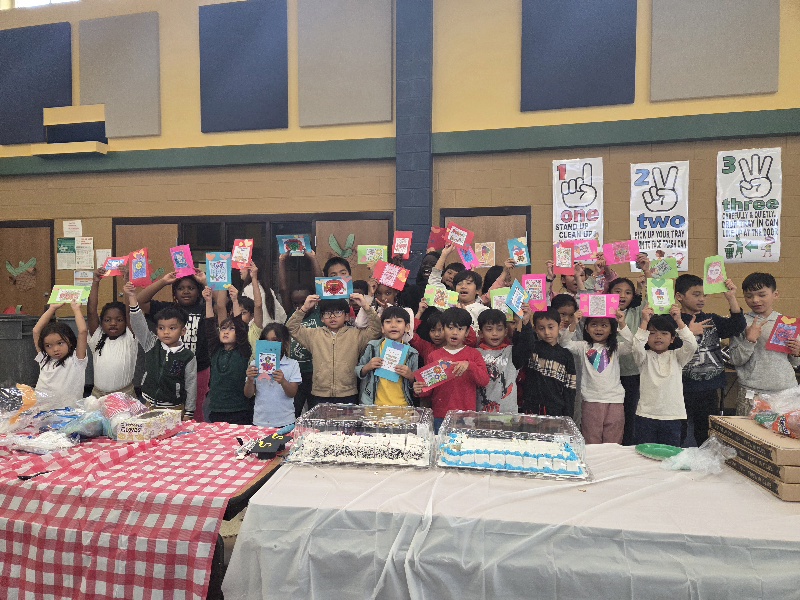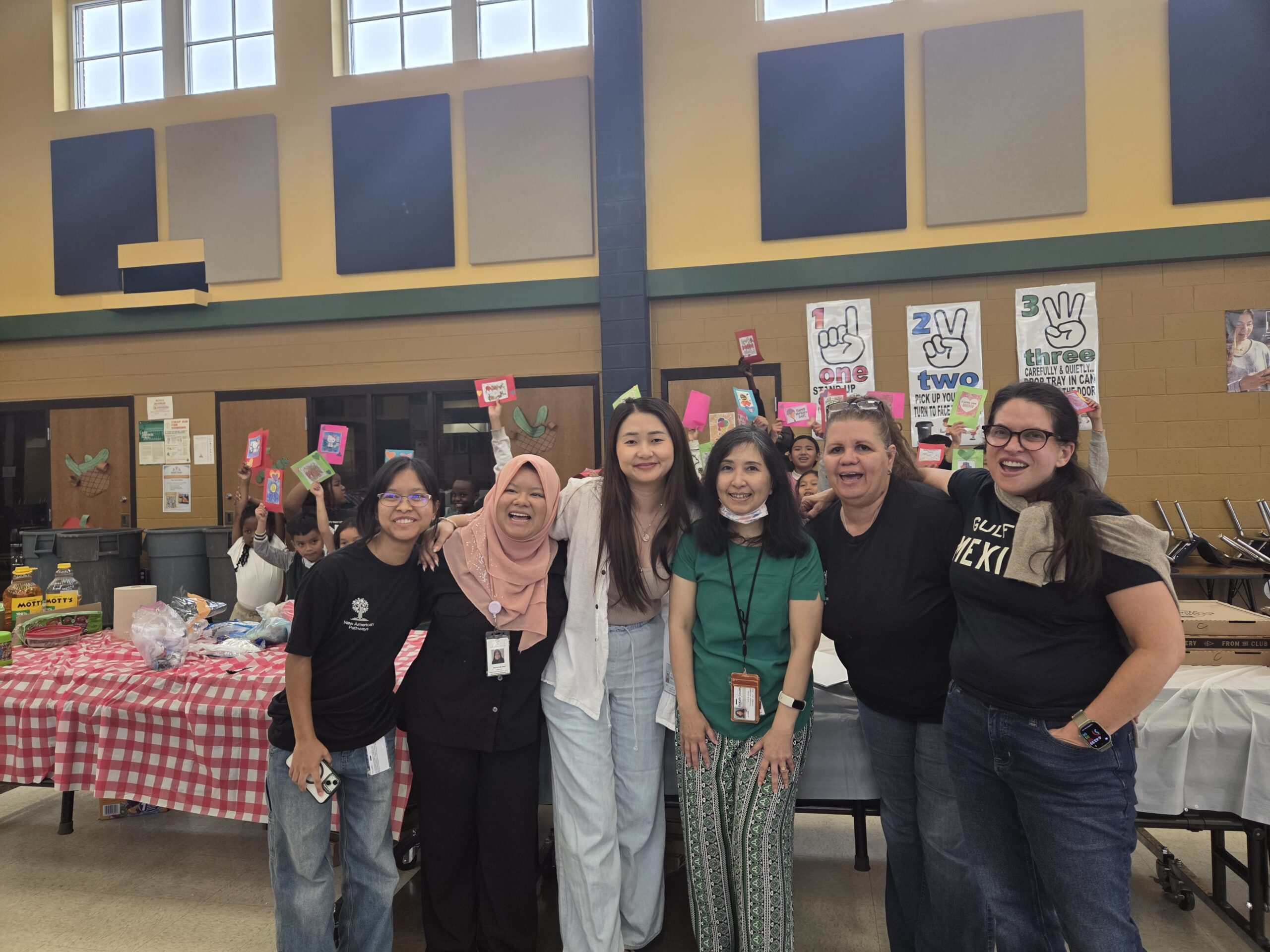

Before joining New American Pathways, Cho spent nearly 14 years building an after-school program at Indian Creek Elementary through another nonprofit organization. What began with just four students steadily grew into a trusted source of academic support, stability, and community for refugee and immigrant families navigating life in a new country.
But in January 2023, the program suddenly lost its funding.
In the middle of the school year, Cho and her team lost their jobs. Still, they knew how deeply families depended on the program, especially students who needed homework help, structure, encouragement, and a safe place to go after school.
So they made a remarkable decision: they kept showing up.
For nearly a year, the team continued running the program voluntarily without pay because they believed the students needed them. During that time, students continued arriving each day eager to learn, grow, and simply be together. Parents expressed gratitude. Children shared thank-you notes, hugs, and growing confidence in themselves and their abilities.
That dedication did not go unnoticed.
In early 2024, New American Pathways learned about the team’s story and partnered with them to officially launch the New AP after-school program at Indian Creek Elementary.
Today, Cho says the program’s impact goes far beyond academics. While students improve in reading, math, homework completion, and classroom participation, the deeper impact is the sense of belonging the program creates for children adjusting to a new culture, language, and environment.
Many students see the program as a second home.
Families often turn to the team not only for academic support, but also for guidance navigating school systems, language barriers, and everyday challenges. Behind the scenes, staff members spend countless hours translating, mentoring, preparing lessons, supporting parents, and creating a space where students feel seen, valued, and encouraged.
Cho credits the strength of the program to the team around her and the philosophy of “servant leadership,” which she first encountered while studying nonprofit leadership and management.
“We are here to serve the students and their families,” she says. “Without them, we would not have the opportunity to do this work.”
She often compares the team to geese flying in formation — sharing leadership, supporting one another, and helping the group go farther together than anyone could alone.
It’s a fitting metaphor for a team that never stopped showing up for their students, even when the path ahead was uncertain.